
About the UCPH School of Archaeology
UCPH School of Archaeology is a cross-faculty initiative bringing together the rich diversity of expertise in the field of archaeology found at the University of Copenhagen in unique and innovative ways.
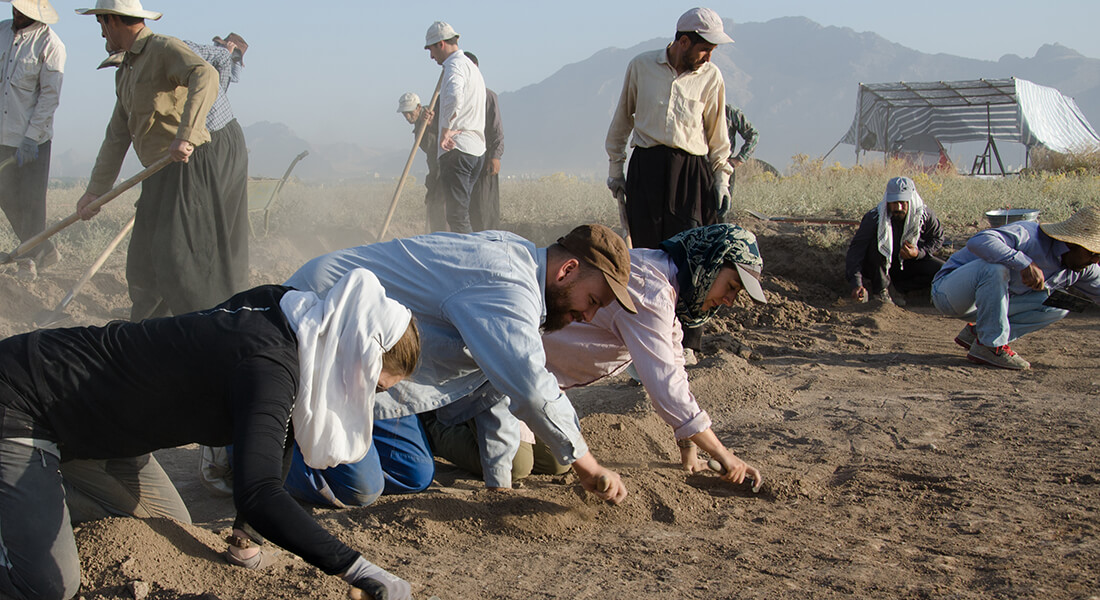
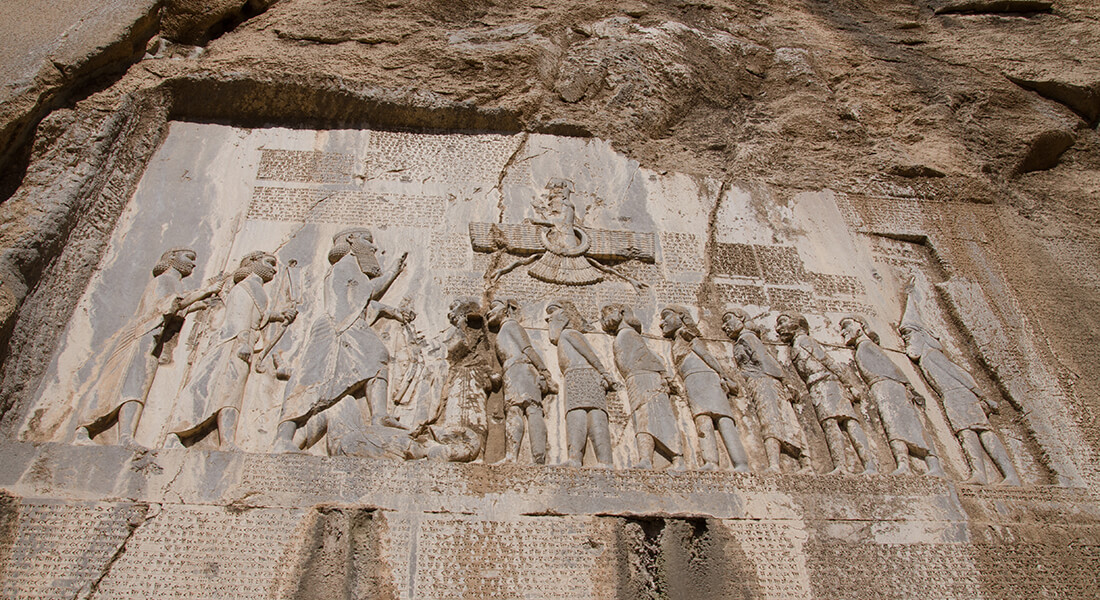
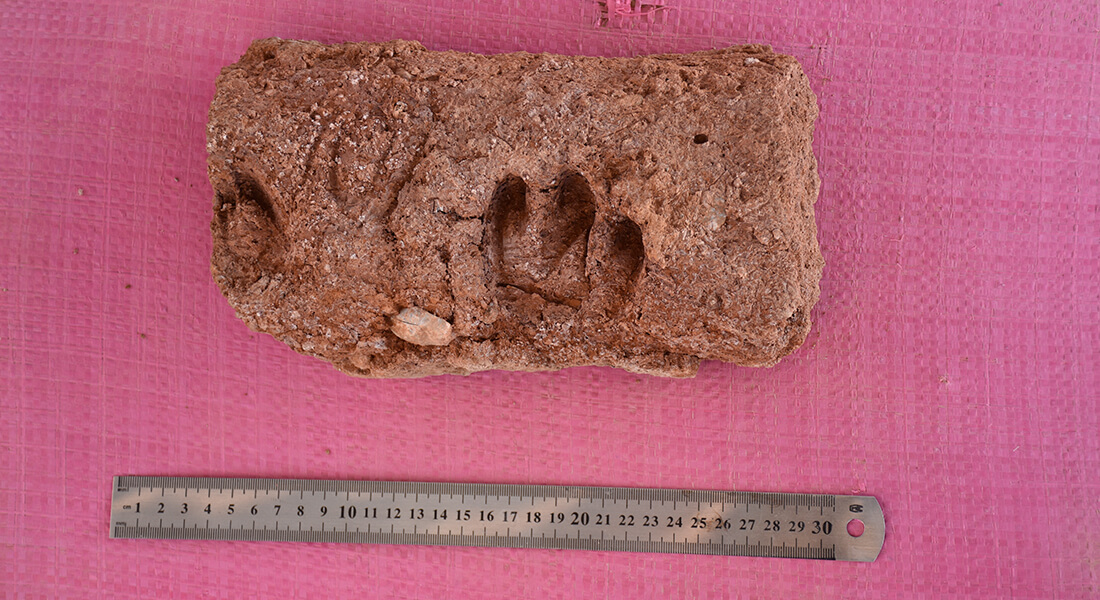
The University of Copenhagen has a long and acclaimed history of conducting and producing high quality research based on archaeological data. Today, archaeology is undergoing a resurgence as a consequence of methodological and theoretical innovations such as advances in digital imaging and ancient DNA research with an increased awareness of the value of archaeology as a way to safeguard cultural heritage.
UCPH School of Archaeology aims to combine the talents and resources of the many researchers working across multiple disciplines to create a community for scholarly conversations and exchange of ideas. It serves both as a platform for interdisciplinary cooperation, as well as a forum for new partnerships and research projects, promoting young academics, organizing joint events and collaborating with museums and archaeology environments in Denmark, Europe and beyond.
Range and composition
Archaeology at UCPH explores the development of human cultures and societies from the earliest humans to the present day, based on the study of their material remains. Due to its nature, it draws on theories and methods from across the humanities, social sciences, and natural sciences, ranging from history and art history, philosophy, linguistics and theology to anthropology and sociology as well as botany, geology, osteology, zoology, and more. An extensive assortment of methodologies are used to unearth, process, date, and diagnose data. State of the art archaeological methods are deployed alongside new technologies in chemistry, biology, and physics including e.g. genomics, proteomics, ancient DNA, lipid and isotope analysis.
UCPH archaeologists also collaborate with experts in the fields of law and heritage to ensure the proper preservation and treatment of archaeological remains. As a result, archaeology engages in a remarkably extensive collaboration with other disciplines and is practiced at various departments and faculties across UCPH.
Steering committee and network
Steering committee
The UCPH School of Archaeology is a collaborative endeavor between the Faculty of Humanities, the Faculty of Health and Medical Sciences and the Faculty of Theology.
The steering committee comprises representatives from all three faculties:
-
Amalie Skovmøller, Art History, Department of Arts and Cultural Studies, Faculty of Humanities
-
Chiara Villa, Forensic Anthropology, Faculty of Health and Medical Sciences
-
Eva Andersson Strand (Head of School), Centre for Textile Research, Saxo Institute, Faculty of Humanities
-
Hannes Schroeder, Section for Molecular Ecology and Evolution, Globe Institute, Faculty of Health and Medical Sciences
-
Joe Roe, Near Eastern Archaeology, Cross-Cultural and Regional Studies, Faculty of Humanities
-
Matthew Collins (Deputy Head), Section for Geobiology, Globe Institute, Faculty of Health and Medical Sciences
-
Matthew David Larsen, Section of Biblical Exegesis, Faculty of Theology
-
Pernille Bangsgaard, Section for Geogenetics, Globe Institute, Faculty of Health and Medical Sciences
-
Rune Iversen, Prehistoric Archaeology, Saxo Institute, Faculty of Humanities
Alternate members
-
Wolfgang Thomas Gerhard Filser, Classical Archaeology, Saxo Institute, Faculty of Humanities
-
Luise Ørsted Scharff Brandt, Section for Geobiology, Globe Institute, Faculty of Health and Medical Sciences
-
Marie Louise Schjellerup Jørkov, Section for Geogenetics, Globe Institute, Faculty of Health and Medical Sciences
-
Anne Birgitte Gotfredsen, Section for Geogenetics, Globe Institute, Faculty of Health and Medical Sciences
-
Thomas Olander, Indo-European studies, Department of Nordic Studies and Linguistics, Faculty of Humanities
-
Tobias Richter, Near Eastern Archaeology, Cross-Cultural and Regional Studies, Faculty of Humanities
Emerging Researchers’ Network
The UCPH School of Archaeology’s (SoA) Emerging Researchers’ Network (ERN) connects early career researchers working within archaeology in the broadest definition at the University of Copenhagen.
We use ERN as a space to come together to transcend the disciplinary silos which have been institutionally or historically defined.
In ERN, we also organize a range of workshops to help early career researchers by sharing knowledge across disciplines, including about narrative CVs, grant applications, courses in R and other digital skills, science communication, etc.
Our first ERN collaboration was to organize an event representing UCPH SoA at the Golden Days Festival in September 2023, themed “På Landet”/”In the countryside”. ERN also organized a public outreach event at Kulturnatten in 2024 set up as a detective case around an ancient individual using a range of bioarchaeological methods.
We also provide mutual support and guidance on career strategies for early career researchers, facilitating collaborative efforts in applying for interdisciplinary projects.
Our collective endeavours, including social activities, are an important factor in fostering future collaborations across disciplines, institutes, and faculties.
ERN has also published a joint white paper about UCPH School of Archaeology and our aims with ERN, which can be found at SocArXiv.
Current steering committee representatives from ERN are:
-
Mikkel Nørtoft, Prehistoric Archaeology, Saxo Institute, Faculty of Humanities
-
Laura Cristina Viñas Caron, Section for Geobiology, Globe Institute, Faculty of Health and Medical Sciences
If you are interested in joining the network, contact Marie Yoshida.